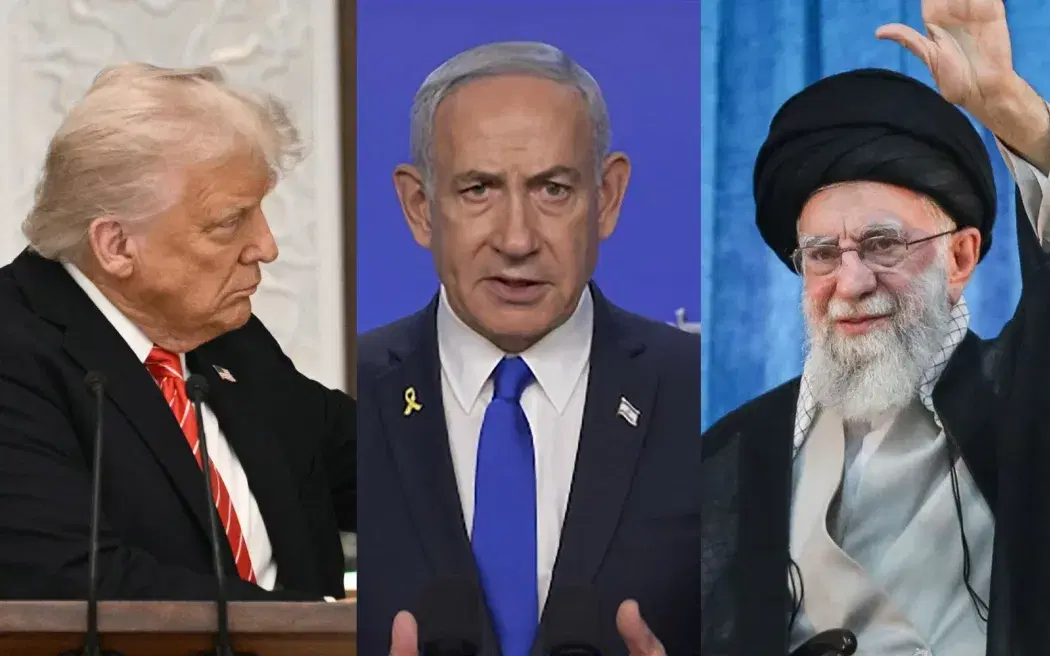
Nigeria has unexpectedly become part of the wider diplomatic struggle between Israel and Iran, as representatives of the two countries publicly traded sharp accusations over terrorism, nuclear weapons, and regional influence.
During an interview on Arise Television monitored in Abuja, Israel’s Ambassador to Nigeria, Michael Freeman, accused Iran of backing terrorist activities not only in the Middle East but also in Europe and West Africa.
Freeman specifically pointed to the Islamic Movement of Nigeria (IMN), alleging that the Shiite group operates with support from Tehran. According to him, the Iranian leadership—under the late Supreme Leader Ayatollah Ali Khamenei—has built a system that promotes extremism and destabilizes other nations through proxy groups.
The Israeli envoy defended Israel’s ongoing military campaign against Iran, describing it as both justified and necessary. He argued that Israel must prevent Iran from acquiring nuclear weapons, warning that Iranian leaders have repeatedly expressed hostility toward Israel.
Freeman claimed that Iran’s influence has already been linked to attacks in different parts of the world, including Argentina and Bulgaria. In his view, the strikes against Iranian military infrastructure are part of a broader effort to weaken a government he described as aggressive both abroad and toward its own citizens.
Debate Over Nuclear Weapons
Responding to questions about Israel’s own nuclear capability, Freeman maintained Israel’s longstanding position of “strategic ambiguity.” He said Israel has never officially confirmed possessing nuclear weapons and insisted that the issue at hand is Iran’s ambition to develop them.
According to him, Iran is the only United Nations member state whose leadership openly calls for the destruction of another country. He also accused Tehran of supporting militant groups such as Hamas, Hezbollah, and the Houthis.
Freeman further argued that the Iranian government has suppressed internal dissent violently, claiming that tens of thousands of protesters have been killed during crackdowns over the years.
Israel’s War Objectives
When asked about Israel’s broader goal in the conflict, Freeman said the country’s main objective is to dismantle Iran’s ballistic missile and nuclear capabilities. He warned that Iran has been relocating its military infrastructure deep underground, potentially making it impossible to strike in the future.
Israel’s military campaign, he said, is intended to prevent Iran from reaching that stage and to weaken a regime he believes does not represent the will of its people.
Freeman also suggested that many Iranians oppose their government and that weakening the regime could give citizens the chance to determine their political future.
Civilian Casualties
Concerns have been raised internationally about the humanitarian consequences of the conflict, including reports of civilian deaths.
Freeman rejected accusations that Israel deliberately targets civilians, saying the Israeli military follows international laws of war and aims to conduct precise strikes. He accused Iran of doing the opposite by launching missiles toward civilian areas in Israel.
Allegations About Nigeria
The Israeli ambassador also touched on security concerns within Nigeria, repeating Israel’s claim that the Islamic Movement of Nigeria receives support from Tehran.
Freeman said Israel remains willing to cooperate with Nigeria in security matters if the Nigerian government seeks such assistance.
Iran Responds
Iran’s Ambassador to Nigeria, Gholamreza Mahdavi Raja, strongly rejected the accusations.
In an interview with Vanguard, Raja described the claims as baseless and part of what he called a propaganda effort by Israel to divert attention from its own actions.
According to the Iranian envoy, Israel has a record of violating international law through assassinations and military operations beyond its borders.
Raja insisted that Iran does not sponsor terrorism in Nigeria or anywhere in the Sahel region. Instead, he said Iran itself has been a victim of terrorist attacks and remains committed to international cooperation against extremism.
The ambassador also emphasized that Iran values its relationship with Nigeria. He said the two countries maintain positive ties in areas such as trade, education, technology, culture, and healthcare.
Growing Regional Tensions
The diplomatic clash comes amid rising tensions following coordinated strikes by Israel and the United States on Iranian facilities in late February 2026.
The operations—known as Operation Roaring Lion and Operation Epic Fury—targeted Iran’s air defense systems and nuclear infrastructure. Iran responded with missile attacks on Israeli territory and U.S. military installations in the Gulf region.
The situation has further intensified as groups aligned with Tehran, including Hezbollah, have launched rockets into northern Israel, prompting retaliatory strikes in Lebanon.
The conflict has also affected global energy markets, particularly around the strategically important Strait of Hormuz, where disruptions could impact international oil supply.
A Conflict With Global Implications
As of early March 2026, the confrontation between Israel and Iran shows little sign of easing. Military operations, regional proxy clashes, and diplomatic tensions continue to shape the evolving crisis.
Despite the accusations exchanged between the two ambassadors, Iran’s envoy reiterated that claims linking Tehran to terrorism in Nigeria remain unsupported and urged observers to rely on verifiable evidence rather than political rhetoric.
About The Author