
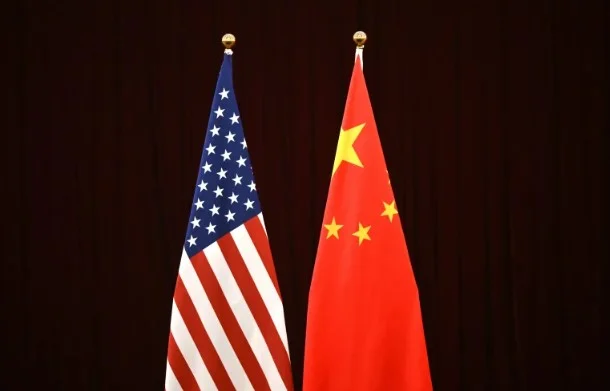
US and China flags Photo: Pedro Pardo/AFP
Chinese state-owned refiners are reportedly considering resuming crude oil imports from the United States after a nine-month suspension, following supply disruptions in the Middle East, according to S&P Global’s Platts on March 9, 2026.
Although an additional 20% tariff on US crude remains in effect, analysts and refinery sources suggest it may be temporarily waived if the supply crunch continues. A Beijing-based market analyst noted that exemptions have been made before, citing US ethane as an example, since China relies heavily on its supply.
Last Thursday, China reportedly instructed its largest refiners to suspend diesel and gasoline exports amid concerns over the war in the Middle East and the potential for domestic energy shortages. An eastern China refining source emphasized the government’s priority: sustaining supplies for domestic consumption.
Shipping data indicates that around eight crude cargoes from the US Gulf Coast could be delivered to China, primarily light sweet crude such as WTI Midland. One cargo had already been loaded on March 7, though trade sources note that these shipments could still be diverted if the crisis eases.
The urgency comes as NYMEX front-month crude prices surged $20.34 to $111.24 per barrel on March 8, reflecting the disruption to global energy infrastructure. Freight rates for VLCC shipments from the US Gulf Coast to China fell slightly, but remain higher than pre-crisis levels.
Previously, Chinese refiners avoided US crude due to tariffs, which made imports unprofitable. However, a Beijing-based feedstock strategist indicated that freight costs now outweigh tariffs, and “every available barrel in the world is under consideration” due to rising supply risks.
China’s state-owned refineries are mandated to prioritize domestic energy supply over profits. Despite suspending US imports since June 2025, China’s onshore crude inventory reached a record 1.32 billion barrels as of March 5. Authorities have also instructed refiners to cut exports of refined oil products to conserve crude.
If disruptions in the Middle East persist, Chinese refiners are expected to draw on these reserves while potentially resuming US crude imports. Meanwhile, China has also reiterated that Iran’s naming of Mojtaba Khamenei as its new supreme leader is a domestic matter and opposed any attempts to target him amid rising regional tensions.
About The Author