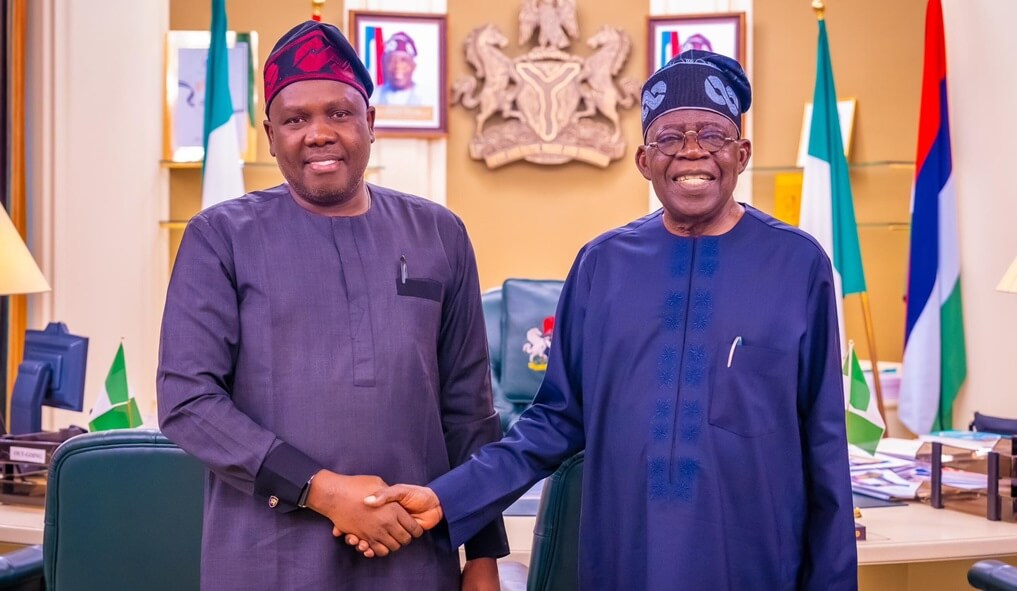
So, President Bola Tinubu made a pretty bold move by appointing Daniel Bwala as one of his Special Advisers. It’s definitely stirring up conversations all over Nigeria’s political scene. I mean, it’s kind of surprising, right? Especially when you consider how Bwala was one of Tinubu’s loudest critics during the run-up to the 2023 presidential election.
Back then, during that intense campaign period, Bwala was everywhere, on TV, social media, you name it. He didn’t hold back at all, questioning Tinubu’s leadership and trying to sway public opinion against him. With all that history, folks are left scratching their heads: why would Tinubu bring someone like that into his team?
Political analysts are saying this move is both clever and meaningful. For one, it fits Tinubu’s style of turning former foes into allies. He’s kind of known for that, right? Throughout his career, he’s been about reconciling differences, bringing critics in rather than pushing them away. So, by appointing Bwala, he might be showing that political rivalry doesn’t have to mean lasting hatred.
Then there’s the idea that this appointment sends a strong political message. Some people think Tinubu is giving Bwala a chance to see governance up close, which could be quite a shift for him. It’s like, now Bwala has to reconcile all those harsh words he had about the administration with the responsibilities he’s taken on. Others say this could also be a way for Tinubu to deal with past criticisms he faced.
Remember how Bwala was vocal with his critiques during the election? Well, now, as a Special Adviser, he might find himself having to defend the very policies he once opposed. Some observers even suggest that this could be a chance for him to “clean up” the narrative he helped create back in that heated election season. And let’s not forget about Bwala’s skills. He’s a lawyer and a seasoned commentator, which means he knows how to engage in debates and communicate effectively. Bringing him on board could really boost Tinubu’s media strategy, especially since how politicians communicate these days is so crucial for shaping public opinion.
For Bwala, though, this is a huge shift in his political journey. Going from being a critic to an adviser? That’s a big leap, and he’s bound to face scrutiny from both sides, supporters and opponents alike. At the end of the day, this whole situation shows just how fluid Nigerian politics can be, where today’s enemies can become tomorrow’s allies in governance.
Will this move work out well for Tinubu or turn into a challenge for Bwala? Only time will tell. But one thing’s for sure: this appointment has added another fascinating layer to Nigeria’s ever-evolving political story.
Aderotimi Adedire Ijinle Oro writes from Otan Ayegbaju.
About The Author