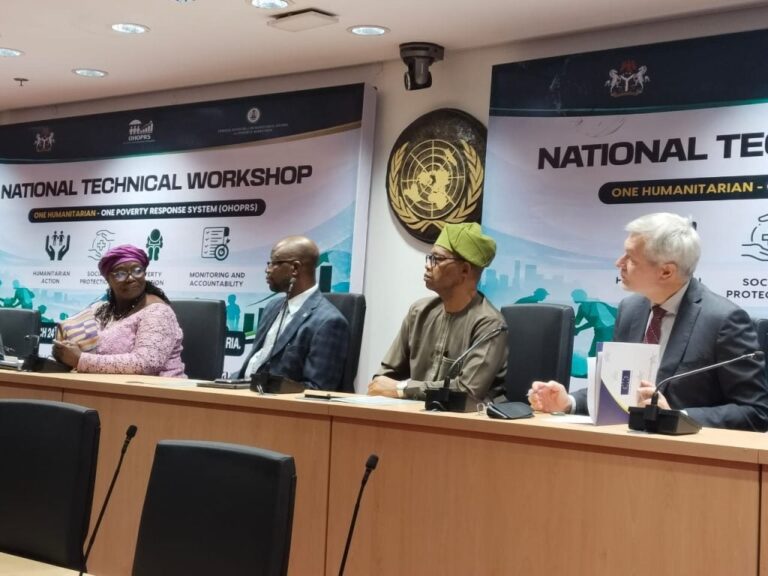

Minister of Finance, Wale Edun.
The Federal Government has cautioned that the rising geopolitical tensions in the Middle East could worsen Nigeria’s cost of living if the crisis continues.
According to the government, the ongoing developments involving the United States, Israel and Iran could have serious implications for Nigeria’s economy because of the country’s connection to global commodity and financial markets.
This was disclosed in a statement issued on Tuesday by the Federal Ministry of Finance.
The ministry explained that the Economic Management Team (EMT), chaired by the Minister of Finance and Coordinating Minister of the Economy, Wale Edun, held a meeting to examine the potential economic impact of the crisis and consider possible policy responses.
Edun also presided over a naira-for-crude policy coordination meeting to review developments in the global energy market and how they could affect Nigeria’s domestic economy.
The government noted that the rising tensions have already created uncertainty in international markets, particularly over potential disruptions to major oil supply routes such as the Strait of Hormuz.
According to Edun, fears of supply interruptions are already contributing to volatility in global crude oil prices and financial markets.
He explained that Nigeria could feel the impact through three key channels:
-
fluctuations in crude oil and gas prices,
-
changes in capital flows and financial market conditions, and
-
rising global shipping and logistics costs.
The minister warned that prolonged instability in the region could lead to higher prices of petrol, diesel, cooking gas and fertiliser in Nigeria.
He added that disruptions to international shipping routes could also raise freight and logistics costs, which may eventually result in higher prices for goods and services for consumers.
Despite the concerns, Edun assured that the government is closely monitoring the situation and will implement necessary measures to protect the country’s economic stability.
He said the Economic Management Team is coordinating fiscal, monetary and energy policies to mitigate potential shocks and safeguard households and businesses.
The government also emphasised that policy adjustments will be made where necessary to maintain macroeconomic stability, sustain investor confidence and protect the welfare of Nigerians.
About The Author