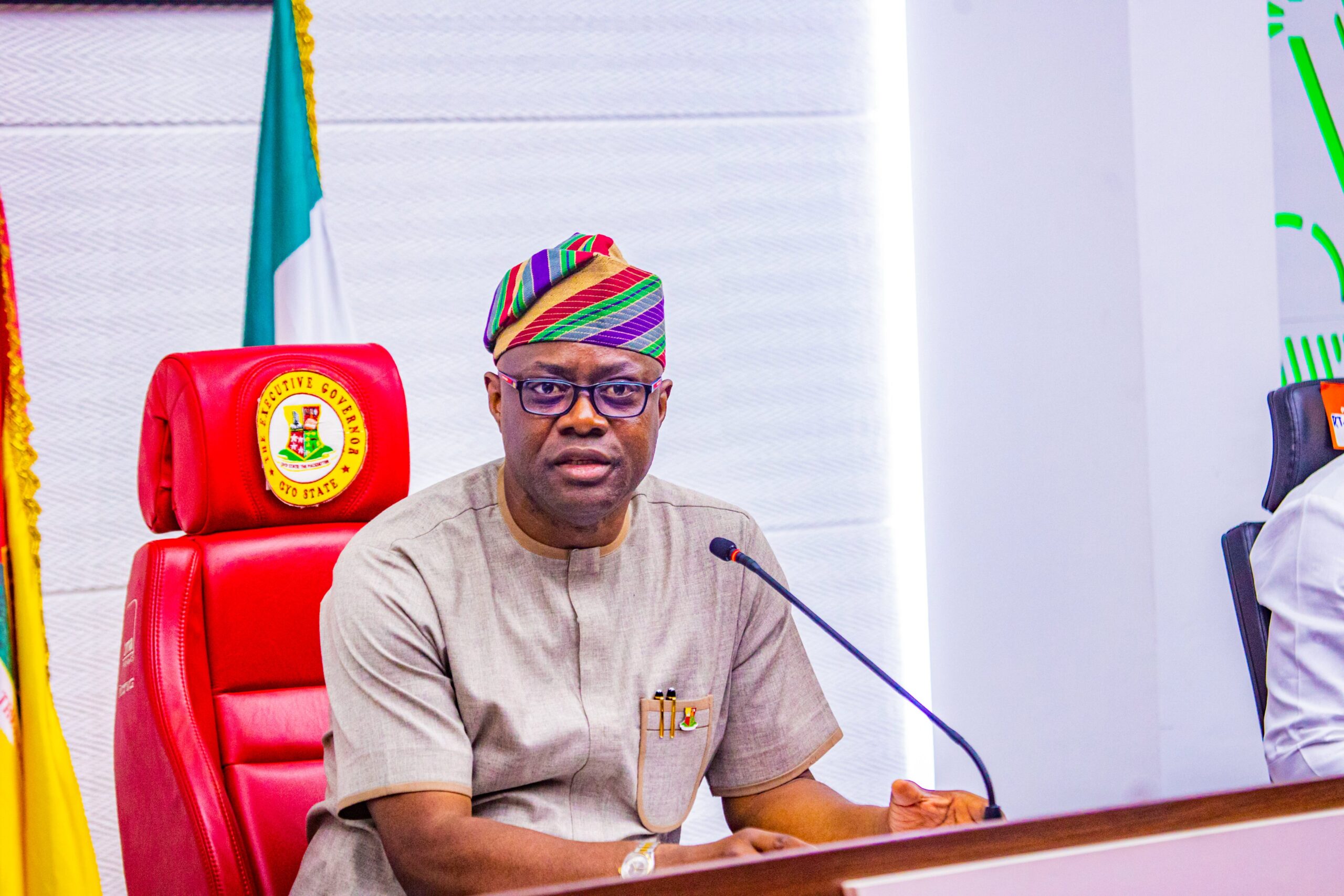
Governor Seyi Makinde has said Nigeria’s leaders and stakeholders must reach an elite consensus if the country’s federal system is to deliver the results envisioned by its founding fathers.
Makinde made the remark on Friday during the 2026 Obafemi Awolowo Memorial Lecture, held at the residence of the late nationalist in Ikenne.
According to a statement issued by his Special Adviser on Media, Sulaimon Olanrewaju, the governor praised the late Obafemi Awolowo for his visionary leadership and commitment to federalism.
Leaders Must Look Beyond Politics
Makinde said Awolowo approached governance using data, logic, and scientific analysis, unlike many contemporary leaders who often make decisions based on political considerations.
“Before tackling any challenge, Papa Awolowo would look at the data, the logic behind those things, and the science. Those were the tools he used to make decisions,” he said.
The governor added that many leaders over the years had become complacent, stressing the need for a return to the principles that guided Awolowo’s policies.
Focus on Future Generations
Makinde noted that Awolowo’s core programmes centred on education, healthcare, and economic empowerment, adding that his administration in Oyo State is implementing similar priorities alongside security initiatives.
While reiterating that federalism remains the best system for a diverse country like Nigeria, the governor stressed the importance of unity among political leaders to achieve lasting reforms.
“We should stop thinking about the next election. Let us think about the next generation,” Makinde said.
He explained that elite consensus means political leaders and influential stakeholders agreeing on long-term national goals aimed at stability, development, and the preservation of the political system.
Lessons from Other African Countries
Makinde warned that Nigeria could face prolonged instability if its leaders fail to address structural challenges.
He cited the long-running crisis in the Democratic Republic of the Congo, noting that conflict in the eastern part of the country has persisted for decades.
The governor also referenced the remarkable recovery of Rwanda after the 1994 genocide, saying the country rebuilt itself through decisive leadership and national commitment.
According to him, Nigeria must show similar determination if it hopes to change its developmental trajectory.
Dignitaries in Attendance
The memorial lecture attracted several prominent figures, including former governors Gbenga Daniel and Olagunsoye Oyinlola, Minister of State for Health Isiaq Salako, and Noimot Salako-Oyedele.
Other attendees included Emeka Anyaoku, who chaired the event, Olatokunbo Awolowo-Dosumu, and Nnaemeka Achebe, among other dignitaries.
About The Author