
Iranian diplomats and the delegation are seen after the indirect talks between Iran and the US with Oman acting as mediator, with messages exchanged, in Geneva, Switzerland
Iran has firmly denied engaging in any form of negotiations with the United States, pushing back against growing speculation about possible diplomatic contacts between both nations.
Speaking on Wednesday, Iran’s ambassador to Pakistan, Reza Amiri-Moghaddam, stated that no discussions—either direct or indirect—have taken place between Iran and the United States.
Amiri-Moghaddam accused Washington of “betraying diplomacy,” insisting that Tehran has consistently shown willingness to pursue peaceful dialogue but has instead been compelled to respond defensively amid rising hostilities.
He clarified that while some “friendly countries” are facilitating consultations with both sides, such efforts should not be mistaken for formal negotiations. According to him, these engagements are only aimed at laying the groundwork for possible future talks.
Despite Iran’s denial, reports indicate that a proposed 15-point peace plan from the United States has been relayed through Pakistan. The plan reportedly addresses key issues such as Iran’s nuclear ambitions, ballistic missile programme, and security concerns in the Strait of Hormuz.
Tensions have sharply escalated following sustained airstrikes reportedly carried out by the United States and Israel since late February. The attacks have led to significant casualties and widespread destruction.
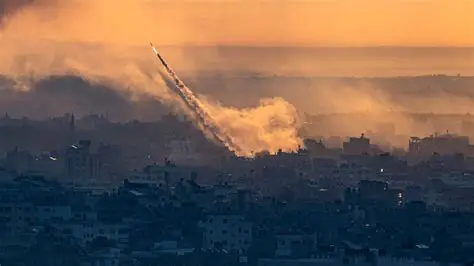
In response, Tehran has launched retaliatory drone and missile strikes targeting Israel, as well as neighbouring countries including Jordan and Iraq, particularly areas hosting US military assets.
The ongoing conflict has not only intensified regional instability but has also disrupted global markets and aviation, raising fears of a broader geopolitical crisis.
About The Author