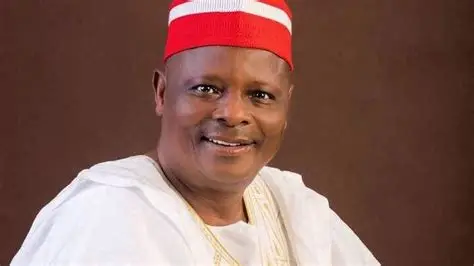
Rabiu Musa Kwankwaso
In a move that has sent shockwaves through Nigeria’s political landscape, former Kano State governor Rabiu Musa Kwankwaso has resigned from the New Nigeria Peoples Party (NNPP). His decision is widely seen as a prelude to joining the African Democratic Congress (ADC), where he is expected to align with prominent opposition figures including Atiku Abubakar, Peter Obi, David Mark, Rauf Aregbesola, and Rotimi Amaechi. This coalition is already being described as one of the most consequential opposition realignments ahead of the 2027 general elections.
Kwankwaso’s exit from NNPP underscores the challenges smaller parties face in translating regional strength into national success. Despite NNPP’s strong showing in Kano during the 2023 elections, the party struggled to match the organizational depth of the APC and PDP. Kwankwaso explained his resignation as a “strategic realignment” aimed at pursuing national interest through the Save Nigeria Project, a broad-based initiative designed to provide Nigerians with a credible alternative to the ruling APC.
Analysts argue that the lack of a united opposition front in 2023 cost them the presidency, as Atiku, Obi, and Kwankwaso split votes that could have challenged Bola Ahmed Tinubu’s victory. Kwankwaso’s defection to ADC is therefore seen as a calculated attempt to avoid repeating that mistake. His influence in Kano, where he secured nearly one million votes in 2023, remains a critical factor in national calculations. If his supporters follow him into ADC, the party could gain substantial leverage in the North-West, historically a decisive battleground in Nigerian politics.
The ADC has welcomed Kwankwaso without preconditions, promising a level playing field for all aspirants. Party officials emphasized that his entry is about building the opposition ranks rather than personal ambition. Kwankwaso’s spokesperson reinforced this, noting that he is willing to support whoever emerges as the coalition’s candidate, whether as president or vice president.
Kwankwaso’s recent meetings with Atiku Abubakar and Rauf Aregbesola highlight the seriousness of this new alliance. Discussions reportedly focused on building a unified opposition front, strengthening party structures, and managing competing ambitions. Political analyst Kabiru Sufi believes Kwankwaso’s defection could significantly alter Nigeria’s political trajectory, creating a real contest between two major blocs—the APC and an ADC-led coalition.
Kano remains the backbone of Kwankwaso’s political relevance. His ability to mobilize voters there could tilt national calculations, just as defections in 2013 reshaped Nigerian politics and paved the way for APC’s victory in 2015. The move recalls earlier shifts where alliances, rather than ideology, determined outcomes.
Ultimately, Kwankwaso’s defection accelerates opposition consolidation, intensifies competition, and raises the possibility of Nigeria evolving into a two-bloc system. If managed well, analysts say this could set the stage for the most competitive election since 2015. If mismanaged, however, it risks fragmenting the opposition and handing APC another easy victory.
About The Author