Iran was preparing to announce a successor to its slain supreme leader Ali Khamenei on Sunday, as the conflict involving Iran, Israel, and the United States intensified across the Middle East.
Nine days after joint US-Israeli strikes reportedly killed Khamenei at his compound, members of Iran’s powerful Assembly of Experts held a closed meeting to select the country’s next supreme leader.
Officials said a decision had already been made but declined to reveal the identity of the chosen candidate. However, speculation has grown that Khamenei’s son, Mojtaba Khamenei, could succeed him.
Iran Rejects Foreign Influence
US President Donald Trump had earlier suggested Washington should have a role in the leadership transition, while the Israeli military warned that any future Iranian leader could also become a target.
But Iran’s Foreign Minister Abbas Araghchi dismissed such suggestions, insisting the decision belongs solely to Iran.
Speaking on NBC’s Meet the Press, Araghchi demanded that Trump apologise to people across the region for what he described as “killings and destruction” caused by the ongoing war.
Israeli Strikes Hit Oil Facilities in Tehran
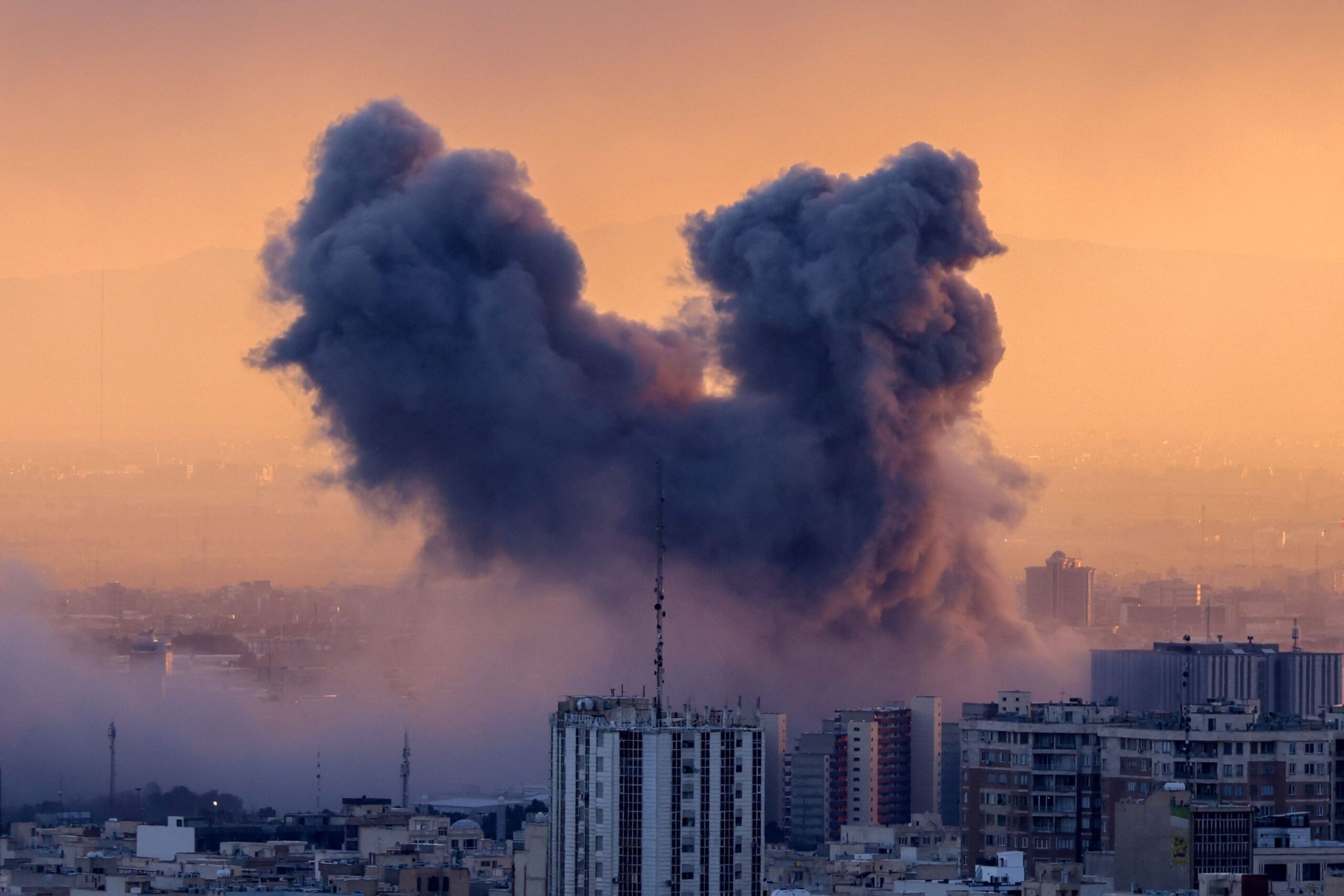
Overnight Israeli airstrikes struck several fuel depots in and around Tehran, triggering massive fires and thick smoke that spread across the Iranian capital.
Authorities said at least four people were killed when warplanes targeted five oil facilities. The attacks temporarily disrupted fuel distribution in the city of about 10 million residents.
Witnesses described a heavy haze covering the capital as fires burned for hours, with authorities warning residents that the air could become toxic.
War Expands Across the Region
As the conflict entered its ninth day, Iran’s Islamic Revolutionary Guard Corps said it had enough supplies to sustain missile and drone operations for up to six months.
Several explosions were reported over Tel Aviv after Israel’s military detected new missile launches from Iran. Emergency services said at least six people were wounded in central Israel.
Elsewhere, regional tensions spread as Saudi Arabia intercepted drones heading toward Riyadh, while Kuwait reported damage to fuel tanks at its international airport. Bahrain also said a desalination plant was hit during the attacks.
Rising Death Toll
Iran’s health ministry said at least 1,200 civilians had been killed and about 10,000 wounded since the start of the conflict, though the figures have not been independently verified.
In Lebanon, officials reported that Israeli airstrikes have killed at least 394 people, including dozens of women and children.
Meanwhile, the United States confirmed the deaths of six American service members killed in a drone attack on a US base in Kuwait.
No Clear Path to Peace
Analysts say there is still no clear route to ending the conflict, which some US and Israeli officials believe could last for several weeks.
Meanwhile, Wang Yi, China’s top diplomat, warned that the world must avoid returning to “the law of the jungle,” calling for restraint from all sides.
Similarly, Pope Leo XIV appealed for peace, praying that “the roar of bombs may cease and a space for dialogue may open.”
About The Author