Nyesom Wike
The Minister of the Federal Capital Territory (FCT), Nyesom Wike, has suggested that the wave of infrastructural development currently taking place across Abuja may play a major role in strengthening support for President Bola Tinubu and the ruling All Progressives Congress ahead of the 2027 general elections.
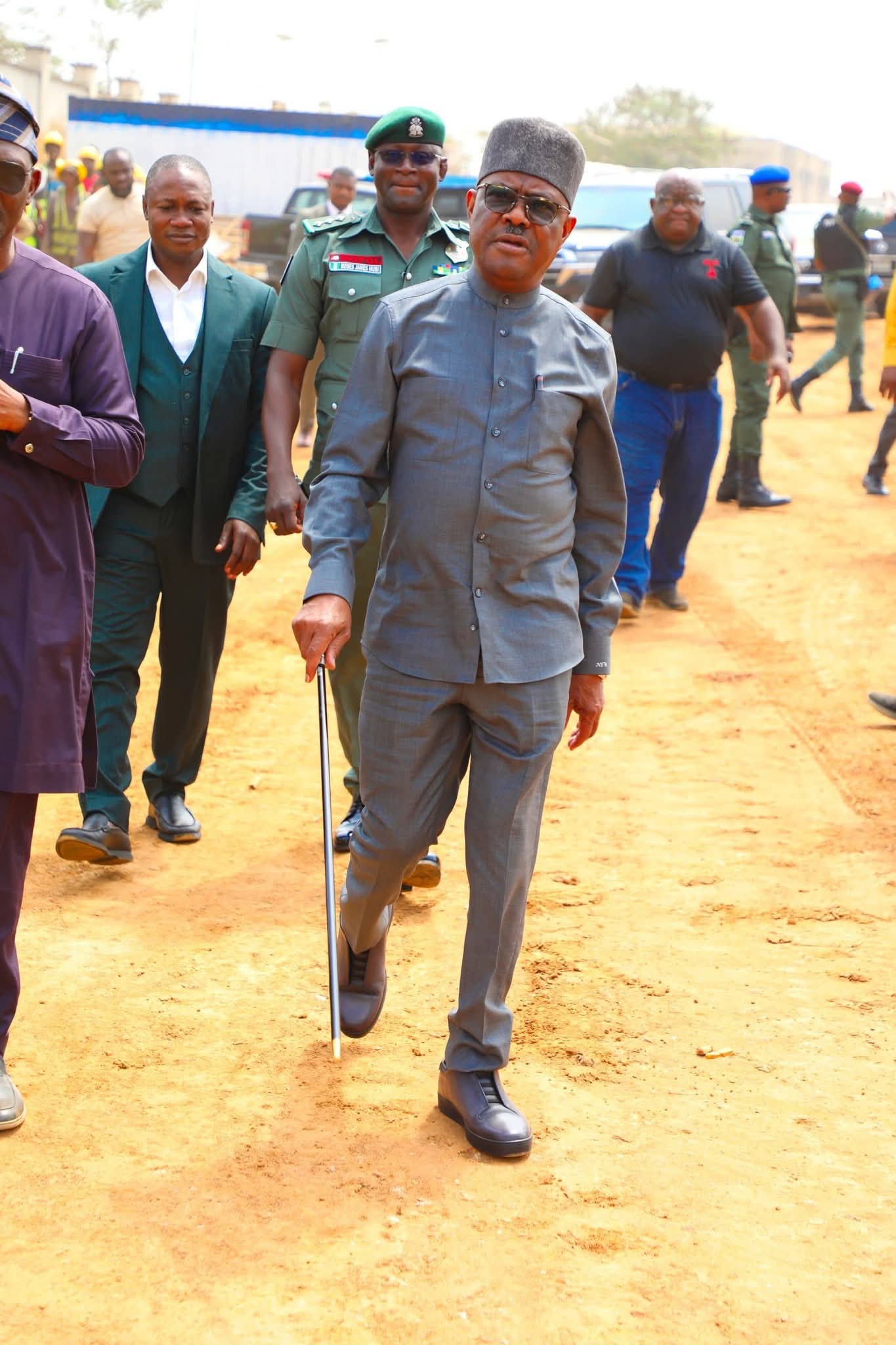
Speaking during an inspection tour of ongoing projects scheduled for commissioning as part of President Tinubu’s second anniversary celebrations, Wike said residents were beginning to see and feel the impact of governance in both urban and rural parts of the FCT.
According to the minister, development is no longer limited to Abuja’s city centre. He noted that several satellite towns and previously neglected communities are now benefiting from road construction, water projects, and other public infrastructure initiatives.
Wike emphasized that Nigerians are more concerned about practical governance outcomes than political rhetoric. In his view, citizens simply want improved roads, electricity, better living conditions, and visible progress in their communities.
While responding to questions about the possible political impact of the projects, the minister pointed to the APC’s performance in recent Area Council elections as a sign of growing public support.
He argued that the administration’s investments in infrastructure could influence voters positively ahead of the next election cycle. Wike also questioned why residents who are witnessing development firsthand would choose not to support the current administration in 2027.
One of the projects highlighted during the inspection was the A2-Pai Road in Kwali. Wike described it as a landmark development, noting that it would mark the first time a sitting president visits the area to commission a project.
The minister also challenged critics and opposition politicians to tour the FCT and assess the level of progress themselves.
According to him, no fewer than 20 projects are expected to be commissioned during the anniversary celebrations, with additional projects likely to be added as construction progresses. The projects span several sectors and communities, including water supply schemes in Bwari and Karu, as well as road projects connecting Gomani-Yangoji and Kuje-Gwagwalada.
The inspection tour also covered several major infrastructure sites, including the rehabilitation of the Appeal Court Complex in Dakibiyu, the construction of Judges’ Quarters in Katampe, internal road networks within Katampe District, and the relocation site for the Apo Mechanic Village.
Wike revealed that work at the Dakibiyu Appeal Court Complex has reached about 70 percent completion, while the Judges’ Quarters are nearing completion.
Other inspected locations included Collector Road, where streetlights and walkways are being installed, as well as road and bridge projects in Gaduwa and Kabusa. At the Apo relocation site, roads and streetlights have reportedly been completed, while water and security infrastructure are expected to follow soon.
Addressing concerns over the administration’s strong focus on judicial infrastructure, the minister maintained that development efforts are being spread across all sectors of the FCT. He described the projects as part of a broader agenda aimed at improving living standards for residents across both urban and rural communities.
As political conversations around the 2027 elections continue to gather momentum, the Tinubu administration appears determined to use visible infrastructure development as a key part of its governance and political strategy in the nation’s capital.
About The Author