
As Nigeria marked its 66th Independence Anniversary on October 1, 2026, citizens reflected on the country’s journey since independence, with concerns raised over economic hardship, insecurity, leadership and the rising cost of living.
A retired civil servant, Mr James Adamu, said Nigeria’s early post-independence leaders made significant efforts towards national development.
Adamu recalled the era of Dr Nnamdi Azikiwe, Sir Ahmadu Bello and Sir Tafawa Balewa, saying the country experienced relative peace and what he described as greater fairness in leadership.
He, however, said tribalism, favouritism and other negative practices had emerged over the years, contributing to challenges in security, agriculture and the provision of social amenities.
A Peoples Democratic Party, PDP, chieftain in Kaduna State, Suleiman Buhari, expressed concern about the state of leadership across the country.
“It appears we are living in a society where there is no leadership. We are all living where no one cares for the welfare of the other,” Buhari said.
He linked the situation to insecurity, hardship, attacks and killings, adding that kidnapping had also become a concern in some communities.
An All Progressives Congress, APC, chieftain in Kaduna State, Adamu Maiyaki, called for collective reflection and greater responsibility among Nigerians.
“We need to talk to ourselves individually on the way forward for the country,” Maiyaki said, urging Nigerians to work towards ensuring that everyone feels a sense of belonging.
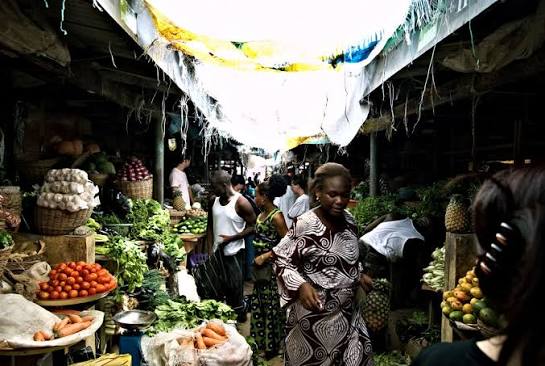
Meanwhile, many citizens expressed frustration over the high cost of living, rising transportation fares and increasing food prices.
A lecturer at Kaduna State University, Timothy Saleh, said recent economic reforms, including the removal of the fuel subsidy, had not provided sufficient relief for many households.
Saleh also raised concerns about insecurity in some rural communities, particularly the difficulties faced by farmers in accessing their farmlands.
He said, “bandits give orders and even take charge of some communities in remote areas,” describing the situation as a serious challenge requiring urgent attention.
The concerns formed part of wider reflections on Nigeria’s 66 years of independence, with calls for stronger action on economic hardship, insecurity and citizens’ welfare.
As the country moves beyond the anniversary, the issues raised by citizens continue to highlight the challenges confronting households and communities across Nigeria.
About The Author
