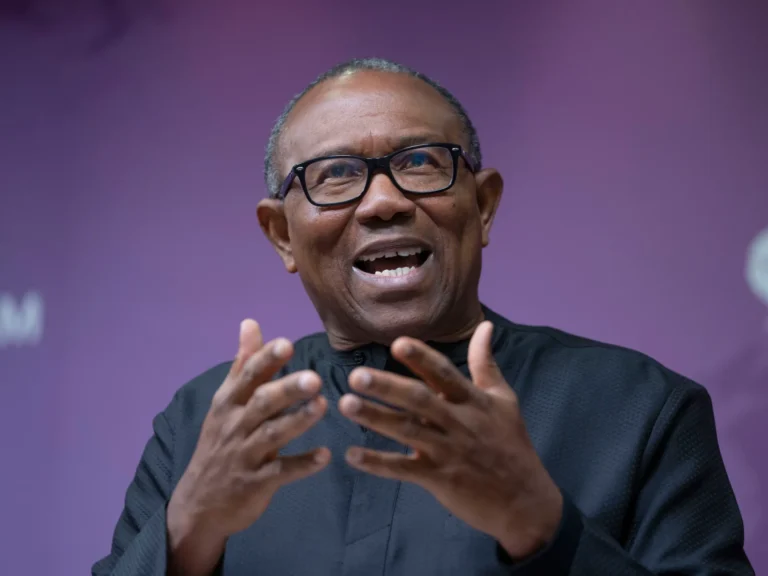

Minister of Power, Adebayo Adelabu
Nigeria’s Minister of Power, Adebayo Adelabu, has issued a public apology to Nigerians over the persistent electricity outages that have disrupted daily life across the country in recent weeks.
Speaking at a press conference in Abuja on Tuesday, Adelabu acknowledged the severe impact of the power crisis, particularly as high temperatures during the dry season have increased demand for electricity. He admitted that the situation has worsened living conditions, affecting homes, businesses, schools, and industries nationwide.
In a rare and direct admission, the minister expressed regret over the hardship caused, noting that the outages were not intentional but largely due to factors beyond immediate government control.
Relief Expected Soon
Despite the ongoing challenges, Adelabu assured Nigerians that improvements in power supply are imminent. He stated that within the next two weeks, electricity supply should begin to stabilise as ongoing repairs and supply issues are resolved.
According to him, efforts are underway to fix key gas pipeline problems and restore supply to power plants, particularly those linked to operations by Seplat Energy. The restoration of gas flow is expected to significantly boost electricity generation.
Gas Supply Challenges Behind Outages
The minister explained that Nigeria’s heavy reliance on gas-fired power plants has made the sector vulnerable to disruptions in gas supply. Pipeline maintenance issues and financial constraints within the energy value chain have further complicated the situation.
To address this, the government has set up a special committee to monitor compliance by gas producers with domestic supply obligations. Adelabu also noted that improving payment structures for gas suppliers would encourage more consistent supply to power plants.
Government Targets 6,000MW by 2026
Looking ahead, Adelabu reaffirmed the Federal Government’s commitment to increasing electricity generation capacity to 6,000 megawatts before the end of 2026. He described the current outages as a temporary setback in a broader plan to improve Nigeria’s power sector.
He added that efforts are being intensified across generation, transmission, and distribution segments to ensure better service delivery, expressing confidence that performance will surpass previous levels.
Longstanding Sector Challenges
Nigeria’s electricity sector continues to grapple with structural issues, including ageing infrastructure, transmission bottlenecks, inadequate gas supply, and liquidity problems. These longstanding challenges have contributed to the recurring instability in power supply.
However, the minister maintained that the government is working round the clock to restore stability and deliver improved electricity to Nigerians in the near term.
About The Author