
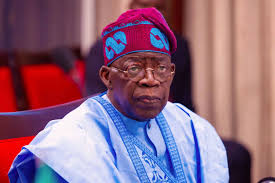
President Bola Ahmed Tinubu has reacted to reports that transportation fares have dropped by ₦1,000 on some routes in Abuja following the introduction of Compressed Natural Gas (CNG)-powered buses under the Federal Government’s Affordable CNG Transport Programme.
The development follows a viral video featuring commuters who said fares from Masaka to Berger had fallen from ₦1,500 to ₦500, offering some relief amid rising transportation costs.
Reacting to the reports on Sunday through his official X account, Tinubu acknowledged the financial challenges facing Nigerian families.
“I know what that means when you have a family to feed, bills to pay and other responsibilities waiting at home,” the President said.
The Affordable CNG Transport Programme is a joint initiative of the Federal Government and the Nigeria Governors’ Forum aimed at making public transportation more affordable through the use of natural gas-powered vehicles.
However, despite the reported reduction, concerns remain over the availability of the buses and the programme’s reach.
According to a report by DAILY POST, fares on CNG-powered buses travelling from Berger to Nyanya Junction were about ₦500. However, the buses were reportedly rarely available, forcing many commuters to use other commercial vehicles.
Tinubu had earlier promised cheaper transportation fares across Nigeria from October 1, 2026, through the CNG initiative. Nevertheless, many Nigerians are still waiting to experience the promised reductions in their areas.
The development has generated mixed reactions on social media, with some users welcoming the lower fares while others questioned the programme’s accessibility and effectiveness.
The reported savings also come amid public debate over the Federal Government’s proposed 30-day fuel discount at the Nigerian National Petroleum Company Limited.
For commuters, the major concern is whether the lower fares can be sustained and extended to more routes beyond selected areas of Abuja.
While the reported ₦1,000 reduction offers a glimpse of the potential benefits of CNG-powered transportation, wider access to buses and consistent pricing will be crucial to delivering lasting relief to Nigerians struggling with the rising cost of living.
About The Author
