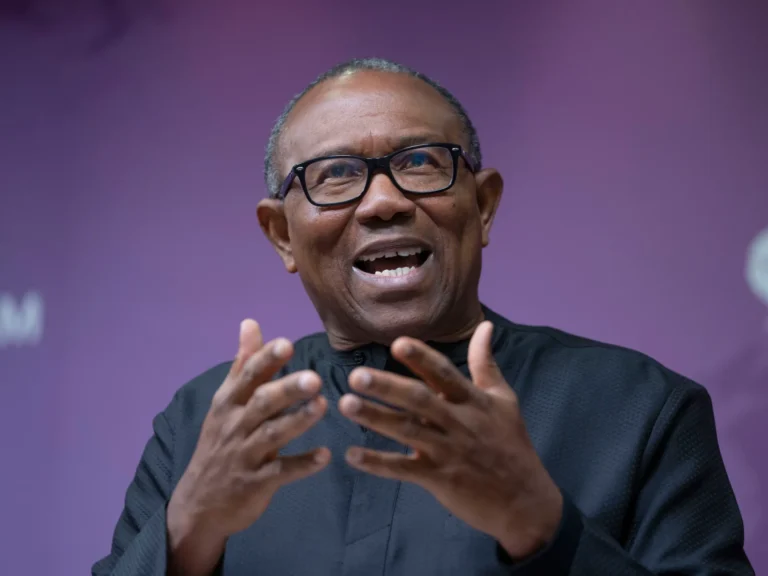
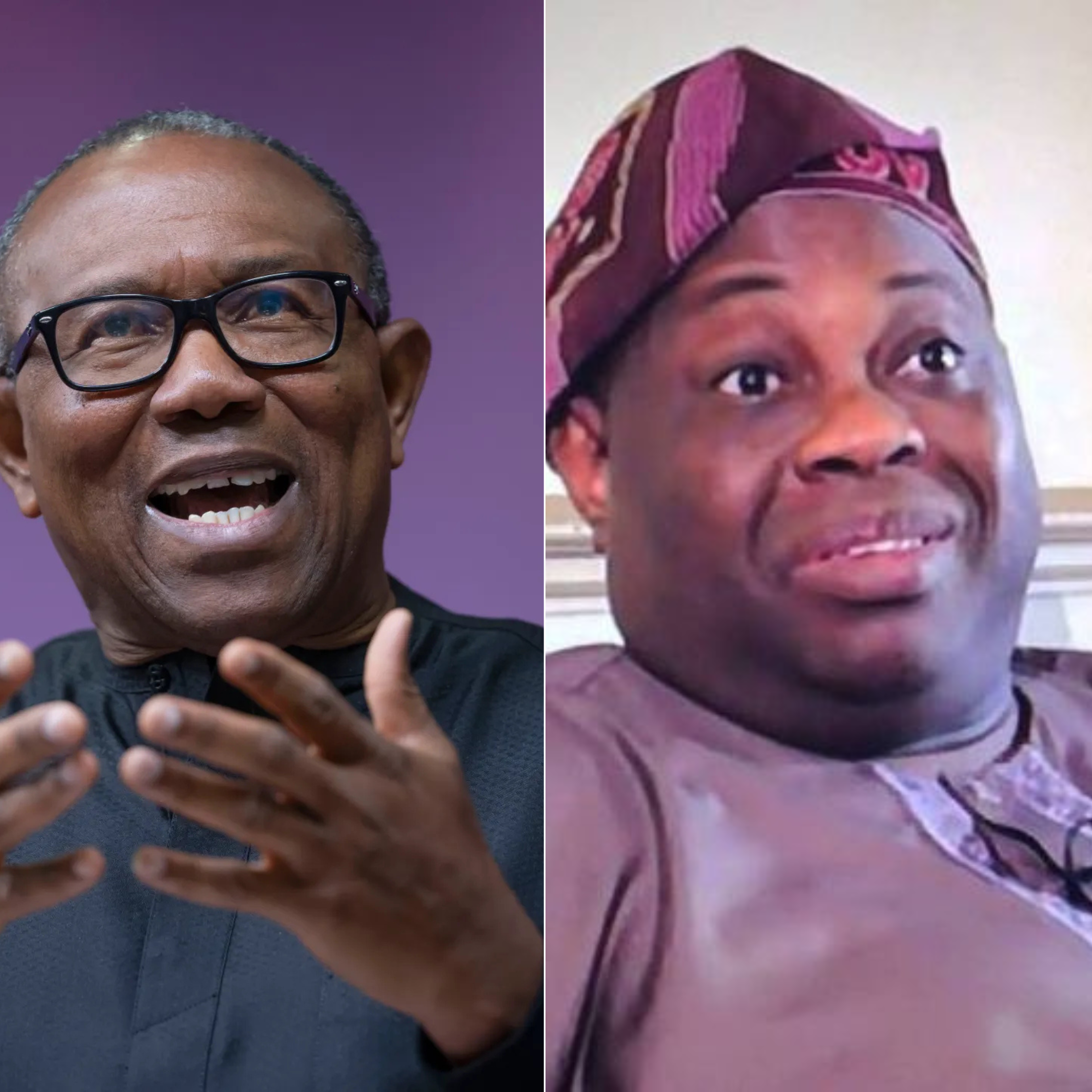
Peter Obi & Dele Momodu
Recent comments by veteran journalist and publisher, Dele Momodu have reignited conversations about the state of Nigeria’s opposition politics and the challenges of building strong political alliances in the country.
Speaking during an interview, Momodu revealed that before the 2023 presidential election, he advised Peter Obi, the Labour Party’s presidential candidate, to consider teaming up with Peoples Democratic Party (PDP) candidate, Atiku Abubakar as his running mate. According to Momodu, Obi declined the suggestion, reportedly believing that his popularity at the time exceeded that of Atiku.
The disclosure has sparked renewed debate about whether a stronger opposition alliance could have changed the outcome of the election and strengthened the opposition’s position in Nigeria’s political landscape. As discussions continue, political observers have pointed to the recurring challenge of opposition leaders finding common ground despite sharing similar goals.
Momodu also criticized Obi’s continued insistence that he won the 2023 presidential election despite the official declaration of President Bola Ahmed Tinubu as the winner. He described such claims as unrealistic and suggested that the political narrative surrounding Obi is increasingly being shaped by his supporters. In a light-hearted remark, Momodu noted that it sometimes appears as though Obi’s supporters are directing the movement rather than the politician himself.
Although the interview touched on reports surrounding the withdrawal of Obi and Rabiu Musa Kwankwaso from broader opposition arrangements involving the African Democratic Congress (ADC), Momodu’s remarks focused largely on Obi and the wider issue of opposition unity. His comments highlight the persistent struggle among opposition parties to form and sustain effective coalitions capable of presenting a united front.
Political analysts argue that fragmentation within the opposition has consequences beyond election campaigns. In a democratic system, a strong and coordinated opposition often serves as a critical mechanism for accountability and policy debate. When opposition parties remain divided, the likelihood of presenting clear and unified alternatives to government policies becomes more difficult.
These political developments are also closely watched by businesses and investors. Investor confidence is often influenced by perceptions of political stability, governance, and policy continuity. A fragmented opposition can reduce political competition and lessen pressure on the government to adjust policies, which may either contribute to stability or limit responsiveness to public concerns, depending on the circumstances.
Momodu’s remarks have also renewed discussion about the role of popularity in modern politics. Peter Obi’s 2023 campaign generated a significant grassroots movement, particularly among young voters, professionals, and first-time participants in the political process. The rise of the Obidient movement demonstrated the growing influence of political branding and digital mobilization in Nigeria’s democracy.
However, political observers note that popularity alone does not always translate into electoral success. Building winning coalitions often requires strategic partnerships, compromise, and the ability to unite diverse political interests behind a common objective. This remains one of the most significant challenges facing opposition leaders seeking to expand their influence on the national stage.
As Nigeria continues to navigate the realities of the post-election period, questions surrounding leadership, coalition-building, and political strategy remain at the forefront of national discourse. Whether opposition figures can overcome internal divisions and develop a more cohesive approach ahead of future elections remains uncertain.
About The Author